Aside from collecting antiques, investing in paintings, especially those made with oil is a great hobby. Oil painting is a beautiful art form that has been used for centuries. This blog post will give you the ultimate guide to getting started with oil paintings, from materials to equipment and techniques. It offers advice on what supplies are needed, how much space you need in your home, and tips for beginners. You’ll also find resources at the end of this article for further reading about the different types of brushes available, as well as information about canvas sizes. So if you’re looking to start an exciting new hobby or want to take your skills to the next level, read on!
Basics
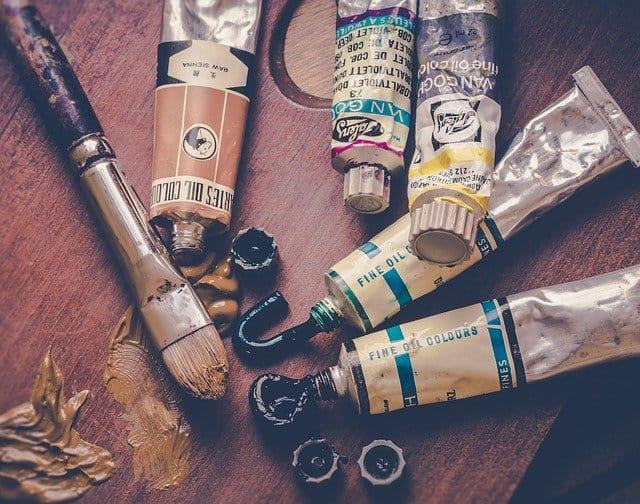
Oil paints are available in tubes or jars and range from very fluid to highly thick. The paint comes in a variety of colors, including both artist’s quality and student grade. When mixed with oil, the pigment becomes fluid. This means that it can flow into more detailed areas of a painting and create soft edges on the canvas. Oil paints vary significantly in terms of how thick or thin they are when applied to your surface, but generally speaking, they become thinner as you work them across the entire area of your canvas while still wet. Oil paints are available in tubes or jars and range from very fluid to highly thick. This means that it can flow into more detailed areas of a painting and create soft edges on the canvas.
Painting Techniques
All you need to know about oil painting is to create soft edges on the canvas. Oil paints vary significantly in terms of how thick or thin they are when applied to your surface, but generally speaking, they become thinner as you work them across the entire area of your canvas while still wet. Oil paints are available in tubes and jars. Jar paints are often mixed with a solvent to make them more fluid, and they come in both artist’s quality and student grade grades of color, which means that the medium is extremely thick, almost like wet mud. The paint comes as either oil or acrylic-based. When mixed with oil, your paint becomes fluid which means it can flow into more detailed areas and fill the canvas more easily. Because of this, it is a suitable medium for covering an entire surface with paint, such as when you are painting large areas or broad strokes.

Materials
In oil painting, you have to start with suitable materials. The most crucial material you need is paints and a surface for your painting to be on. Three different types of paint can be used in an oil painting:
Acrylic paints: These kinds of paints come in tubes, or bottles like watercolors do. They’re more expensive than other kinds of oils, but they’re also more durable, don’t take as long to dry, and are water-soluble.
Oil paints: Oil paints come in the form of miniature cakes or tubes. You can use them for either oil painting or acrylics, but they tend to give off fumes that make them less safe than other kinds of paint when working with children.
: Wax paint is a mixture of wax and oil instead of just being straight-up oil paint. It’s more expensive than other kinds of oils but doesn’t have any fumes associated with it.
 You may also need some brush for your painting. Brushes come in all different shapes and sizes, so you’ll need to do a little research before buying. Brushes can range from $0.50-$150 depending on what you’re looking for and whether or not you want something high quality.
All of these tips will help you become a better painter. If you think this is all too much, don’t worry! I have some more information on the basics for beginners below so that even if you are starting or have been painting for years and want to improve your skills in one area, there are still plenty of things here to keep your interest piqued. Ready?